Now Reading: Powerful Guide to Technical SEO
- 01
Powerful Guide to Technical SEO

Technical SEO is one of the most important parts of search engine optimization. It focuses on improving the technical structure of a website so search engines can crawl, index, and rank pages more effectively.
Many beginners think SEO only means writing content and adding keywords. However, even the best content may struggle to rank if a website has technical problems. Search engines like Google need a fast, organized, and user-friendly website to understand and display pages correctly.
In simple words, technical SEO helps search engines access your website easily while also improving user experience. From page speed to mobile optimization, technical SEO plays a major role in website performance and rankings.
This guide explains what technical SEO is, why it matters, and how beginners can improve their websites using technical SEO strategies.
Understanding Technical SEO
Technical SEO refers to the process of optimizing a website’s backend structure and technical elements to help search engines crawl and index content efficiently.
Unlike content SEO, which focuses on articles and keywords, technical SEO focuses on website performance, structure, and functionality.
Main Goal of technical SEO
Technical SEO aims to:
- Improve website crawlability
- Help search engines index pages properly
- Increase page loading speed
- Enhance mobile usability
- Improve website security
- Create a better user experience
When these technical elements are optimized, search engines can understand your website more effectively.
Why Technical SEO Is Important
Technical SEO directly affects search engine rankings and website usability. A technically optimized website loads faster, works smoothly on mobile devices, and provides better navigation.
Better Search Engine Crawling
Search engines use bots to crawl websites. If your website has broken links or poor structure, search engines may fail to discover important pages.
Improved User Experience
Fast-loading pages and mobile-friendly layouts improve visitor satisfaction and reduce bounce rates.
Higher Google Rankings
Google considers technical factors like page speed, security, and mobile responsiveness when ranking websites.
Increased Organic Traffic
A technically optimized website has a better chance of appearing higher in search results, leading to more organic visitors.
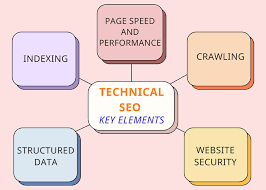
Key Elements of Technical SEO
Technical SEO includes several important components that work together to improve website performance.
Website Crawlability
Crawlability refers to how easily search engines can access your website pages.
How to Improve Crawlability
- Use a clear website structure
- Fix broken links
- Create internal linking strategies
- Submit an XML sitemap
- Avoid duplicate content
Good crawlability helps search engines discover all important pages on your site.
Website Indexing
Indexing happens when search engines store and organize your web pages in their database.
If pages are not indexed, they will not appear in search results.
Common Indexing Problems
- Noindex tags
- Duplicate pages
- Blocked pages in robots.txt
- Thin content
Regular SEO audits can help identify indexing issues quickly.
Page Speed Optimization
Website speed is one of the most important ranking factors today. Users expect websites to load quickly, especially on mobile devices.
Ways to Improve Page Speed
Compress Images
Large images slow down websites. Use optimized image formats and compression tools.
Enable Browser Caching
Caching stores website data temporarily, helping pages load faster for returning visitors.
Minimize CSS and JavaScript
Reducing unnecessary code improves loading speed.
Use a Fast Hosting Provider
Reliable hosting significantly improves website performance.
Fast websites not only rank better but also improve user engagement.
Mobile-Friendly Website Design
Most internet users now browse websites through smartphones. Because of this, Google uses mobile-first indexing.
Why Mobile Optimization Matters
A mobile-friendly website:
- Improves user experience
- Reduces bounce rate
- Increases engagement
- Supports better rankings
Tips for Mobile SEO
- Use responsive design
- Avoid large pop-ups
- Improve mobile loading speed
- Use readable fonts and layouts
Mobile optimization is now essential for SEO success.
Secure Website with HTTPS
Website security is another important part of technical SEO.
Google prefers secure websites that use HTTPS encryption instead of HTTP.
Benefits of HTTPS
- Protects user information
- Increases trust
- Improves search rankings
- Enhances website credibility
Most modern hosting providers offer free SSL certificates for HTTPS security.
XML Sitemap Optimization
An XML sitemap helps search engines understand your website structure and discover important pages.
Why XML Sitemaps Matter
Sitemaps help search engines:
- Crawl pages faster
- Find updated content
- Understand website hierarchy
You can generate XML sitemaps using SEO plugins or website tools.
Robots.txt File
The robots.txt file tells search engine bots which pages they can or cannot crawl.
Importance of Robots.txt
This file helps:
- Prevent crawling of unnecessary pages
- Save crawl budget
- Improve website efficiency
However, incorrect robots.txt settings can accidentally block important pages.
Structured Data and Schema Markup
Structured data helps search engines understand website content more clearly.
Schema markup can improve search appearance through rich results such as:
- Star ratings
- FAQs
- Product details
- Event information
Benefits of Structured Data
- Better visibility in search results
- Increased click-through rate
- Improved content understanding
Structured data enhances both SEO and user experience.
Core Web Vitals and Technical SEO
Core Web Vitals are Google metrics used to measure user experience and page performance.
These metrics focus on:
- Loading speed
- Visual stability
- Interactivity
Important Core Web Vitals
Largest Contentful Paint (LCP)
Measures how quickly the main content loads.
First Input Delay (FID)
Measures how quickly users can interact with the page.
Cumulative Layout Shift (CLS)
Measures visual stability during page loading.
Optimizing Core Web Vitals improves both rankings and user satisfaction.
Common Technical SEO Mistakes
Many websites lose rankings because of technical issues that are often ignored.
Slow Website Speed
Heavy images and poor hosting can reduce website performance.
Broken Links
Broken links create poor user experience and crawling problems.
Duplicate Content
Duplicate pages confuse search engines and reduce ranking potential.
Poor Mobile Experience
Non-responsive websites struggle to rank well on mobile searches.
Missing Meta Tags
Title tags and meta descriptions help search engines understand page content.
Avoiding these mistakes can significantly improve website performance.
Technical SEO vs On-Page SEO
Many beginners confuse technical SEO with on-page SEO. Although both are important, they focus on different areas.
Technical SEO
Technical SEO focuses on:
- Website speed
- Crawlability
- Security
- Mobile optimization
- Indexing
On-Page SEO
On-page SEO focuses on:
- Keywords
- Content optimization
- Headings
- Internal links
- Meta descriptions
Both strategies work together to improve search rankings.
Best Tools for Technical SEO
Several SEO tools help website owners identify and fix technical problems.
Popular Technical SEO Tools
These tools provide insights about indexing, crawl errors, speed, and website health.
Beginner Tips for Technical SEO
Starting technical SEO may seem difficult, but beginners can improve gradually.
Start with an SEO Audit
An SEO audit helps identify website issues and opportunities.
Improve Website Speed First
Speed optimization often creates immediate improvements in rankings and user experience.
Focus on Mobile Optimization
Ensure your website works smoothly on all screen sizes.
Monitor Search Console Regularly
Google Search Console helps track errors, indexing issues, and search performance.
Keep Learning
SEO changes regularly, so staying updated is very important.
Conclusion
Technical SEO is the foundation of a successful website. Without proper technical optimization, even high-quality content may struggle to rank in search engines.
By improving crawlability, indexing, website speed, mobile responsiveness, and security, businesses can create better experiences for both users and search engines.
Although technical SEO may sound complex at first, beginners can start with simple improvements and gradually build stronger optimization strategies. Consistent monitoring, regular audits, and ongoing learning are the keys to long-term SEO success.
In today’s competitive digital world, technical SEO is no longer optional. It is an essential part of building a fast, user-friendly, and search-engine-optimized website.






















Pingback: Powerful Guest Posting Benefits for SEO
Pingback: SEO Basics for Beginners - Choice District SEO basics for begginers
Pingback: Learn How to Improve Website Visibility: A Beginners Guide
Pingback: Best Freelancing Skills in 2026 - Choice District Best Freelancing Skills in 2026