Now Reading: Common SEO Mistakes: A Complete Guide to Avoid Ranking Problems
- 01
Common SEO Mistakes: A Complete Guide to Avoid Ranking Problems

Search engine optimization (SEO) is one of the most effective ways to increase website traffic and improve online visibility. However, many website owners unknowingly make mistakes that prevent their pages from ranking well in search results.
These Common SEO Mistakes can lead to lower rankings, poor user experience, reduced organic traffic, and even search engine penalties. Whether you’re a beginner or an experienced website owner, understanding these issues can help you build a stronger SEO strategy.
In this guide, we’ll explore the most common SEO errors, explain why they hurt your website, and provide practical solutions to avoid them.
Common SEO Mistakes That Hurt Rankings
Ignoring Keyword Research
One of the biggest beginner SEO mistakes is creating content without proper keyword research.
Many website owners target keywords based on assumptions rather than actual search demand. As a result, they publish content that users are not searching for.
Why It Hurts SEO
- Low search visibility
- Poor traffic potential
- Weak conversion rates
- Difficulty ranking for relevant terms
How to Fix It
Use keyword research tools to identify:
- Search volume
- Keyword difficulty
- User intent
- Long-tail keyword opportunities
Focus on keywords that match your audience’s needs rather than simply targeting popular terms.
Keyword Stuffing
Years ago, repeating keywords excessively could improve rankings. Today, keyword stuffing is considered a serious SEO error.
For example:
“Best SEO services provide SEO solutions for SEO businesses needing SEO support.”
This creates poor readability and signals manipulation to search engines.
Why It Hurts SEO
- Reduces content quality
- Creates a poor user experience
- May trigger ranking problems
- Can contribute to search engine penalties
How to Fix It
Use keywords naturally throughout your content. Include semantic SEO terms and related phrases instead of forcing exact-match keywords repeatedly.
Publishing Thin Content
Thin content provides little value to users and often fails to answer search queries effectively.
Examples include:
- Extremely short blog posts
- Automatically generated content
- Pages with minimal information
- Duplicate product descriptions
Why It Hurts SEO
Search engines prioritize content that demonstrates expertise, relevance, and usefulness.
Thin content often struggles to rank because it lacks depth and authority.
How to Fix It
Create comprehensive content that:
- Answers user questions
- Covers topics thoroughly
- Includes examples and actionable advice
- Demonstrates expertise
Quality should always outweigh quantity.
Duplicate Content Issues
Duplicate content occurs when identical or nearly identical content appears on multiple URLs.
This can happen intentionally or accidentally.
Common Causes
- Printer-friendly pages
- Product variations
- Copied blog posts
- URL parameter issues
Why It Hurts SEO
Duplicate content can confuse search engines about which page should rank.
This often dilutes ranking signals and reduces visibility.
How to Fix It
- Use canonical tags
- Redirect duplicate pages
- Create unique content
- Consolidate similar pages when possible
Poor Website Structure
A confusing website structure makes it difficult for users and search engines to navigate your content.
Signs of Poor Structure
- Deep page hierarchy
- Broken navigation
- Missing categories
- Orphan pages
Why It Hurts SEO
A weak structure affects crawlability and indexing efficiency.
Search engines may struggle to understand relationships between pages.
How to Fix It
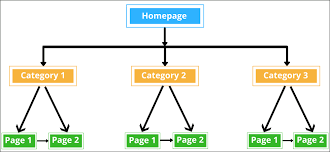
Build a clear hierarchy:
Homepage → Categories → Subcategories → Content Pages
Additionally, use internal linking to strengthen content relationships.
Neglecting Mobile Optimization
Mobile devices now account for a significant portion of web traffic.
Yet many websites still provide a poor mobile experience.
Common Mobile SEO Issues
- Small text
- Unresponsive layouts
- Slow loading times
- Difficult navigation
Why It Hurts SEO
Search engines use mobile-first indexing, meaning the mobile version of your site plays a major role in rankings.
How to Fix It
- Use responsive design
- Optimize images
- Improve page speed
- Test usability across devices
A mobile-friendly website benefits both users and search engines.
Slow Website Speed
Website speed directly affects user experience and search rankings.
Visitors expect pages to load quickly. If they don’t, many users leave before engaging with your content.
Common Speed Problems
- Large image files
- Excessive scripts
- Poor hosting
- Unoptimized code
Why It Hurts SEO
Slow-loading pages often experience:
- Higher bounce rates
- Lower engagement
- Reduced conversions
- Ranking problems
How to Fix It
- Compress images
- Enable browser caching
- Minify CSS and JavaScript
- Use a content delivery network (CDN)
Improving speed is one of the most effective website optimization improvements.
Ignoring On-Page SEO Elements
Many websites publish great content but overlook essential on-page SEO factors.
Important Elements
Title Tags
A well-optimized title helps search engines understand page content.
Meta Descriptions
Compelling descriptions encourage users to click.
Header Tags
Proper heading structure improves readability and SEO.
Image Alt Text
Alt text helps search engines understand image content.
How to Fix It
Review every page to ensure on-page elements are optimized and relevant.
Weak Internal Linking
Internal links help distribute authority and guide visitors to related content.
Unfortunately, many websites either ignore internal linking or use it incorrectly.
Why It Hurts SEO
Weak internal linking can lead to:
- Poor crawlability
- Lower page authority
- Reduced user engagement
- Orphan pages
How to Fix It
Create a strategic internal linking structure that connects related content naturally.
Use descriptive anchor text and prioritize important pages.
Building Low-Quality Backlinks
Not all backlinks are beneficial.
Low-quality or spammy links can damage your website’s reputation.
Examples
- Link farms
- Paid spam links
- Irrelevant directory submissions
- Automated backlink schemes
Why It Hurts SEO
Poor backlinks may result in:
- Ranking drops
- Manual actions
- Search engine penalties
How to Fix It
Focus on earning links through:
- High-quality content
- Guest posting
- Industry partnerships
- Digital PR campaigns
Quality always beats quantity.
Ignoring Search Intent

Search intent refers to the reason behind a user’s query.
Many websites target keywords without understanding what users actually want.
Types of Search Intent
- Informational
- Navigational
- Commercial
- Transactional
Why It Hurts SEO
If your content doesn’t satisfy user intent, visitors quickly leave and rankings often suffer.
How to Fix It
Analyze top-ranking pages before creating content.
Match your content format and depth to user expectations.
Failing to Monitor SEO Performance
SEO is not a one-time task.
Without monitoring results, it’s difficult to identify issues or opportunities.
Key Metrics to Track
- Organic traffic
- Keyword rankings
- Bounce rate
- Click-through rate
- Conversion rate
Why It Hurts SEO
Problems may go unnoticed for months, leading to traffic losses and missed opportunities.
How to Fix It
Regularly review performance data and make adjustments based on findings.
Continuous improvement is essential for long-term SEO success.
How to Avoid Common SEO Mistakes
To maintain strong search performance:
- Conduct regular SEO audits
- Focus on user experience
- Publish high-quality content
- Improve website speed
- Build quality backlinks
- Optimize for mobile devices
- Monitor analytics consistently
- Update outdated content
- Use strategic internal linking
- Follow search engine guidelines
Small improvements made consistently often produce significant results over time.
Conclusion
Understanding and avoiding Common SEO Mistakes is essential for achieving sustainable search visibility and organic growth. From keyword stuffing and duplicate content to poor website structure and slow page speed, even minor SEO errors can negatively impact rankings.
The good news is that most of these issues are preventable. By focusing on quality content, proper optimization, user experience, and ongoing performance monitoring, you can avoid ranking problems and create a website that both users and search engines trust.
SEO success doesn’t come from shortcuts. It comes from following best practices, avoiding common pitfalls, and continuously improving your website. Start addressing these mistakes today, and you’ll build a stronger foundation for long-term search engine success.