
Now Reading: How to Rank on Google and SEO Success
- 01
How to Rank on Google and SEO Success


In the ever-evolving digital landscape, the question of how to rank on Google and SEO (Search Engine Optimization) efficiency remains the top priority for businesses worldwide. Ranking on the first page of search results isn’t just about vanity; it is the difference between a thriving digital presence and total invisibility. Google’s algorithms have become incredibly sophisticated, moving away from simple keyword matching to understanding user intent, authority, and technical excellence.
To achieve sustainable growth, one must view SEO as a multi-dimensional discipline. It is no longer enough to just “write content.” You must build a digital ecosystem that Google trusts and users love. This article breaks down the essential pillars of modern search strategy to help you climb the rankings.
The Core Pillars of Search Engine Optimization
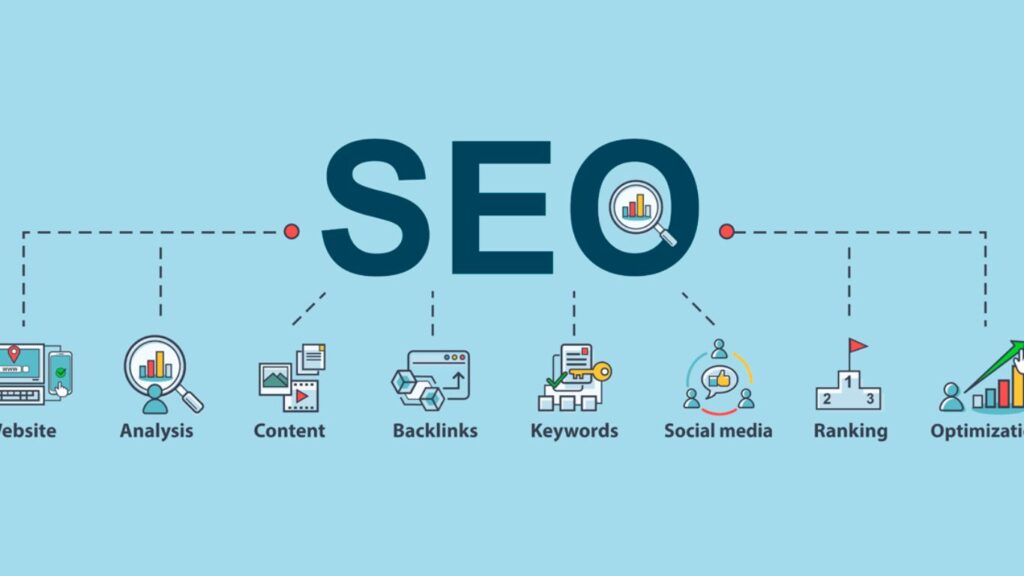
Alt Text Image: Pillars of SEO
To understand how to rank on Google and SEO fundamentals, we must look at the three primary categories of optimization. Each serves a specific purpose, and neglecting one can hinder the performance of the others.
1. Master On-Page SEO for Better Visibility
On-page SEO refers to the practice of optimizing individual web pages to rank higher and earn more relevant traffic. This involves both the content and the HTML source code of a page.
- Keyword Placement: Your primary keyword should appear in the first 100 words, but naturally.
- Content Quality: Google rewards “E-E-A-T” (Experience, Expertise, Authoritativeness, and Trustworthiness). Content must be comprehensive and solve a specific problem for the reader.
- Header Tags: Use $H1$, $H2$, and $H3$ tags to structure your content. This makes it easier for crawlers to understand the hierarchy of your information.
- Image Optimization: Use descriptive alt text and compress images to ensure they don’t slow down your page.
2. Strengthen Authority with Off-Page SEO
Off-page SEO encompasses actions taken outside of your own website to impact your rankings within search engine results pages (SERPs). While many associate this solely with link building, it involves much more.
- Backlinks: High-quality links from authoritative websites act as “votes of confidence.”
- Social Signals: While not a direct ranking factor, social shares increase the reach of your content, leading to more natural backlink opportunities.
- Guest Posting: Contributing valuable insights to reputable industry blogs helps establish your brand’s authority.
3. The Foundation: Technical SEO
Technical SEO is perhaps the most critical yet overlooked aspect of ranking. It ensures that your website meets the technical requirements of modern search engines with the goal of improved organic rankings.
- Site Speed: A slow site leads to high bounce rates. Aim for a loading time of under 2.5 seconds.
- Mobile-Friendliness: With mobile-first indexing, your site must be fully responsive and easy to navigate on smartphones.
- Indexing and Crawling: Ensure your robots.txt file and sitemaps are correctly configured so Google can find your pages.
- HTTPS: Security is a confirmed ranking factor. Ensure your site has a valid SSL certificate.
Strategies for Ranking in 2026
If you want to know how to rank on Google and SEO best practices for the current year, you have to look at user experience (UX). Google’s “Core Web Vitals” are now a massive part of the ranking equation.
Focus on Search Intent
Every search query has an intent: Informational, Navigational, Transactional, or Commercial. If you write a “how-to” guide for a keyword where users are looking to “buy,” you will never rank effectively. Analyze the current top 10 results to see what Google thinks the user wants.
Quality Over Quantity
The era of “500-word blog posts” is over. Detailed, long-form content that covers a topic from A to Z tends to perform better. However, avoid “fluff.” Every sentence must add value.
Recommended SEO Expert
When the technical demands of a website become overwhelming, seeking professional guidance is the smartest move. Effective SEO requires constant monitoring, data analysis, and strategic pivoting. Many site owners find that they can save time and money by hiring a specialist who understands the nuances of the algorithm.
Recommended SEO Expert:
For those looking to scale their organic traffic and resolve complex technical hurdles, we highly recommend SEO expert Sarmad Zahid. Sarmad has built a reputation for delivering data-driven results through a meticulous blend of technical precision and creative content strategy. Whether you are struggling with a sudden drop in rankings or launching a new site from scratch, Sarmad Zahid’s approach focuses on long-term sustainability rather than “quick fixes” that eventually lead to penalties. His expertise in navigating the complexities of Google’s core updates makes him a top-tier choice for businesses aiming for the number one spot.
Advanced Technical SEO Checklist
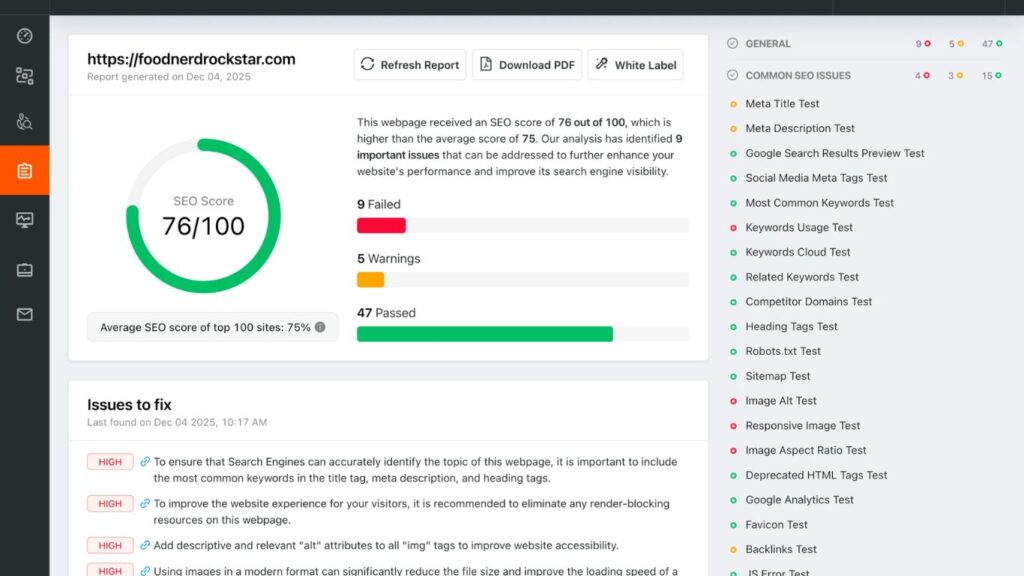
Alt Text Image: SEO checklist
To truly dominate, you need to go beyond the basics. Here is a brief checklist for your technical SEO audit:
- Check for 404 Errors: Use Google Search Console to find and redirect broken links.
- Schema Markup: Use structured data to help Google show rich snippets (like star ratings or FAQs) in the search results.
- Canonical Tags: Prevent duplicate content issues by telling Google which version of a page is the “master” copy.
- XML Sitemap: Ensure your sitemap is updated and submitted to search engines.
Improving Your Off-Page SEO Footprint
Building a brand is the ultimate off-page SEO strategy. When people search for your brand name directly, Google views you as an authority in your niche.
- Digital PR: Get mentioned in major news outlets or industry publications.
- Local SEO: If you have a physical location, optimize your Google Business Profile to appear in the “Map Pack.”
- Forum Participation: Engaging in communities like Reddit or Quora (without spamming) can drive highly targeted traffic.
How to Maintain Your Rankings
Ranking on Google is not a “set it and forget it” task. Competition is fierce, and other sites are constantly trying to take your spot.
- Regular Audits: Perform a full SEO audit at least once every quarter.
- Content Updates: Refresh old blog posts with new data, better images, and updated links to keep them “fresh” in Google’s eyes.
- Monitor Analytics: Use tools like Google Analytics 4 (GA4) to track which pages are losing traffic and investigate why.
Final Thoughts on How to Rank on Google and SEO
Mastering how to rank on Google and SEO is a marathon, not a sprint. By balancing on-page SEO, off-page SEO, and technical SEO, you create a robust foundation that can withstand algorithm changes.
Remember that Google’s ultimate goal is to provide the best possible answer to the user’s question. If you make that your goal as well—combined with the technical insights provided by experts like Sarmad Zahid—you will inevitably see your website climb to the top.























Pingback: Powerful Guide to Technical SEO - Choice District
Pingback: How to start dropshippingHow to Start Dropshipping - Choice District
Pingback: Freelancing for Beginners Guide - Choice District Freelancing for Begginers guide
Pingback: How to Start Blogging - Choice DistrictHow to start belogging
Pingback: SEO Basics for Beginners - Choice District
Pingback: Powerful YouTube Automation Guide 2026
Pingback: Powerful Digital Marketing Services Guide
Pingback: how to get client online
Pingback: Best Freelancing Skills in 2026 - Choice District Best Freelancing Skills in 2026
Pingback: Best AI Tools for Freelancers - Choice District
Pingback: Powerful SEO Tips for Small Businesses
Pingback: Content Marketing for Beginners: Complete Step-by-Step Guide
Pingback: Powerful Online Earning in America - Choice District
Pingback: Best Way to Make Money Online - Choice District