
Now Reading: How to Get Organic Traffic That Converts
- 01
How to Get Organic Traffic That Converts


Getting organic traffic is one of the most effective ways to grow a website without spending money on advertisements. If you’re wondering how to get organic traffic, the answer lies in implementing smart SEO strategies, creating valuable content, and improving user experience.
Unlike paid traffic, organic search traffic continues to bring visitors long after your content is published. Moreover, it helps build authority, trust, and sustainable website traffic growth. In this guide, you’ll learn proven techniques that beginners and experienced website owners can use to increase visibility and attract more visitors from search engines.
What Is Organic Traffic?
Organic traffic refers to visitors who find your website through unpaid search engine results. When someone searches on Google and clicks your page without you paying for ads, that visitor becomes part of your organic search traffic.
For example, if a user searches “best SEO tools” and lands on your article through Google’s search results, that is organic traffic.
Benefits of Organic Traffic
- Long-term website traffic growth
- Higher trust and credibility
- Better conversion rates
- Lower marketing costs
- Sustainable online visibility
Because of these advantages, many businesses focus heavily on search engine optimization to increase their organic reach.
Why Organic Traffic Matters for Website Growth
Organic visitors often have strong search intent. They are actively looking for information, products, or services. Therefore, they are more likely to engage with your content and take action.
Additionally, organic traffic contributes to:
- Stronger brand authority
- Improved search rankings
- Consistent lead generation
- Better return on investment
As a result, learning how to get organic traffic should be a priority for every website owner.
Perform Keyword Research First
Keyword research is the foundation of successful SEO.
Before creating content, identify what your target audience is searching for. Tools like Google Keyword Planner can help you discover relevant keywords and search volume data.
Best Practices for Keyword Research
- Focus on long-tail keywords
- Analyze competitor keywords
- Use keyword research tools
- Target low-competition opportunities
- Understand search intent
For example, instead of targeting “SEO,” you might target “how to get organic traffic for a new website.”
This approach makes ranking easier while attracting highly relevant visitors.
Create High-Quality Content
Content remains one of the most important ranking factors.

Google prioritizes helpful, informative, and original content that solves user problems. Therefore, publishing valuable articles consistently can significantly increase organic website visitors.
Characteristics of High-Quality Content
- Easy to read
- Well-structured
- Factually accurate
- Comprehensive
- Updated regularly
Furthermore, longer content often performs better because it covers topics in greater depth.
Write Content That Matches Search Intent
Search intent refers to the reason behind a user’s search query.
For example:
- Informational searches seek answers.
- Commercial searches compare options.
- Transactional searches aim to make purchases.
When your content aligns with user intent, search engines are more likely to rank it higher.
Optimize Your On-Page SEO
On-page SEO helps search engines understand your content.
Without proper optimization, even excellent content may struggle to rank.
Essential On-Page SEO Elements
Optimize Title Tags
Include your target keyword naturally in the title.
Example:
“How to Get Organic Traffic: 10 Proven SEO Strategies”
Use Proper Headings
Organize content using H1, H2, and H3 tags.
This improves readability and helps search engines understand content structure.
Optimize Meta Descriptions
Write compelling descriptions that encourage clicks.
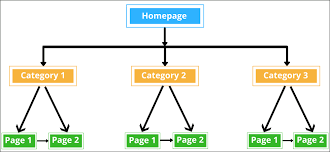
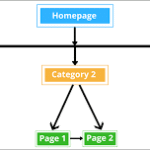
Add Internal Links
Link to relevant pages within your website.
Internal linking helps distribute authority and improves user navigation.
Use Image Optimization
- Compress images
- Add descriptive file names
- Include keyword-rich alt text
These practices can improve page speed and accessibility.
Improve Website Speed
Website speed directly affects both rankings and user experience.
If your pages load slowly, visitors may leave before viewing your content.
Ways to Improve Speed
- Use fast hosting
- Compress images
- Enable browser caching
- Minify CSS and JavaScript
- Use a content delivery network (CDN)
As a result, faster websites often achieve better search rankings and higher engagement rates.
Build High-Quality Backlinks
Backlinks remain a crucial ranking factor in Google’s algorithm.
When reputable websites link to your content, search engines view your site as trustworthy and authoritative.
Effective Backlink Building Strategies
Guest Posting
Write articles for relevant websites in your niche.
Create Link-Worthy Content
Publish:
- Research studies
- Statistics pages
- Ultimate guides
- Infographics
Broken Link Building
Find broken links on other websites and suggest your content as a replacement.
Outreach Campaigns
Contact website owners and promote valuable resources you’ve created.
However, avoid purchasing low-quality backlinks, as they can harm your rankings.
Focus on Technical SEO
Technical SEO ensures that search engines can crawl and index your website effectively.
Without proper technical optimization, your content may not appear in search results.
Important Technical SEO Factors
- Mobile responsiveness
- Secure HTTPS connection
- XML sitemap
- Clean URL structure
- Schema markup
- Crawlability
Additionally, regular technical audits help identify and fix issues before they affect performance.
Use Content Marketing to Increase Visibility
Content marketing and SEO work together to drive organic search traffic.
The more helpful content you publish, the more opportunities you have to rank for different keywords.
Content Formats That Generate Traffic
- Blog posts
- Tutorials
- Case studies
- Videos
- Checklists
- Industry guides
Furthermore, updating old content can often produce faster results than creating new articles from scratch.
Optimize for Featured Snippets
Featured snippets appear at the top of Google search results.
These positions can dramatically increase click-through rates.
How to Win Featured Snippets
- Answer questions directly
- Use numbered lists
- Create step-by-step guides
- Add FAQ sections
- Structure content clearly
Because snippets occupy premium search real estate, they can significantly boost website traffic growth.
Leverage Long-Tail Keywords
Long-tail keywords are longer, more specific search phrases.
Although they generally have lower search volume, they often convert better and are easier to rank for.
Examples include:
- How to get organic traffic without ads
- Best SEO traffic tips for beginners
- Organic traffic generation methods for blogs
By targeting multiple long-tail keywords, you can steadily increase organic website visitors.
Improve User Experience
Google increasingly rewards websites that provide excellent user experiences.
A positive experience encourages visitors to stay longer and engage with your content.
User Experience Best Practices
- Mobile-friendly design
- Easy navigation
- Clear call-to-actions
- Readable fonts
- Minimal pop-ups
Consequently, better user experience can improve rankings and reduce bounce rates.
Track and Analyze Your Results
SEO is not a one-time task.
Regular monitoring helps you understand what is working and what needs improvement. Use Google Search Console to monitor keyword rankings, clicks, impressions, and technical issues affecting your website.
Metrics to Track
- Organic traffic
- Keyword rankings
- Bounce rate
- Click-through rate
- Average session duration
- Conversion rate
Tools such as analytics platforms and search performance reports can provide valuable insights for ongoing optimization.
Common Mistakes to Avoid
Many website owners unknowingly limit their growth by making avoidable SEO mistakes.
Avoid These Errors
- Keyword stuffing
- Publishing thin content
- Ignoring mobile users
- Neglecting technical SEO
- Buying spammy backlinks
- Forgetting internal linking
Instead, focus on providing value and following SEO best practices consistently.
Proven Traffic Generation Methods for Long-Term Success
If you want sustainable growth, combine multiple traffic generation methods rather than relying on a single tactic.
The most effective approach includes:
- Keyword research
- Content creation
- On-page SEO
- Technical optimization
- Backlink building
- Content promotion
- Performance tracking
Together, these strategies create a strong foundation for long-term organic growth.
Conclusion
Learning how to get organic traffic requires patience, consistency, and a well-planned SEO strategy. While results may not happen overnight, focusing on quality content, keyword research, technical SEO, and backlink building can produce significant long-term benefits.
Moreover, by following these SEO traffic tips and implementing proven traffic generation methods, you can steadily increase organic search traffic and achieve sustainable website traffic growth. Start with small improvements, monitor your progress, and continue optimizing your content. Over time, your website can earn higher rankings, attract more visitors, and build a stronger online presence.



















Pingback: keyword Research for Beginners: Complete SEO Guide