Now Reading: Effective Internal Linking Best Practices Explained
- 01
Effective Internal Linking Best Practices Explained

Internal Linking Best Practices play a crucial role in building a strong SEO foundation for any website. While many website owners focus on backlinks and content creation, internal links are often overlooked despite their significant impact on search rankings.
A well-planned internal linking strategy helps search engines understand your website structure, improves user navigation, distributes page authority, and enhances overall website performance. Whether you’re running a blog, business website, or eCommerce store, mastering internal links can significantly improve your SEO results.
In this guide, you’ll learn the most effective internal linking techniques, common mistakes to avoid, and actionable strategies to strengthen your site’s SEO.
What Is Internal Linking?
Internal linking refers to hyperlinks that connect one page of your website to another page on the same domain.
For example, if you publish an article about keyword research and link it to another post about SEO tools, that connection is an internal link.
These links help:
- Search engines discover content
- Users navigate your website
- Transfer page authority between pages
- Establish a logical content hierarchy
- Improve crawlability and indexing
Without a solid internal linking structure, valuable pages may remain hidden from both users and search engines.
Why Internal Links Matter for SEO
Internal links are essential because they help search engines understand relationships between pages.
Benefits include:
Improved Crawlability
Internal links help search engines discover pages more efficiently. According to Google’s guide on Google Search crawling and indexing, a clear linking structure makes it easier for search engines to find and understand content.
Better User Experience
Visitors can easily find related information, increasing engagement and reducing bounce rates.
Enhanced Page Authority Distribution
Internal links pass authority from stronger pages to weaker pages, helping improve rankings across your website.
Stronger Website Structure
Proper linking creates a logical website structure that search engines can understand more effectively.
Increased Time on Site
Relevant internal links encourage visitors to explore additional content, leading to longer session durations.
Internal Linking Best Practices for SEO Success
Create a Clear Website Structure
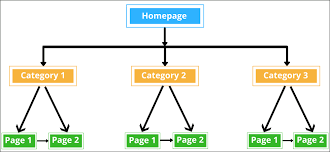
One of the most important internal linking best practices is building a logical website architecture.
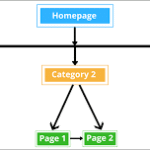
A simple structure typically follows:
Homepage → Categories → Subcategories → Articles
This hierarchy helps search engines understand content relationships while making navigation easier for users.
For example:
- SEO
- On-Page SEO
- Technical SEO
- Link Building
Each category should connect naturally to relevant subtopics.
Use Descriptive Anchor Text
Anchor text is the clickable text within a hyperlink.
Instead of using generic phrases like:
- Click here
- Read more
- Learn more
Use descriptive anchor text such as:
- Technical SEO checklist
- Keyword research guide
- Link building strategies
Descriptive anchors provide context to both users and search engines.
Good Example
“Check out our complete guide to technical SEO checklist for better website optimization.”
Poor Example
“Click here for more information.”
Link to Important Pages Frequently
Pages that generate conversions or target competitive keywords should receive more internal links.
Examples include:
- Service pages
- Product pages
- Cornerstone content
- Pillar articles
Strategically linking to these pages increases their visibility and strengthens their authority.
Build Topic Clusters
Topic clusters are groups of related content connected through internal links.
For example:
Main Pillar Page
- Complete SEO Guide
Supporting Articles
- Keyword Research for Beginners
- On-Page SEO Tips
- Technical SEO Guide
- Link Building Strategies
All supporting articles should link back to the pillar page and to each other when relevant.
This creates a strong content hierarchy and improves topical relevance.
Link Deep Into Your Website
Many websites repeatedly link only to their homepage or top-level pages.
Instead, include links to deeper content pages.
Benefits include:
- Improved page discovery
- Better authority distribution
- Enhanced indexing
- Increased visibility for older content
Deep linking helps search engines uncover valuable pages that might otherwise receive little attention.
Maintain a Reasonable Number of Internal Links
There is no fixed limit for internal links on a page.
However, excessive linking can:
- Confuse users
- Dilute link value
- Reduce content readability
Focus on quality rather than quantity.
Include only links that genuinely help users continue their journey.
Use Contextual Internal Links
Contextual links appear naturally within content.
These links are often the most valuable because they provide relevance and context.
Example:
“When planning a content strategy, understanding search intent can significantly improve keyword targeting.”
Contextual links are typically more effective than links placed in sidebars or footers.
Update Older Content With New Links
Whenever you publish new content, revisit older articles and add relevant internal links pointing to the new page.
This practice:
- Helps search engines discover fresh content
- Improves content connections
- Boosts page authority flow
- Keeps older articles updated
Regular content audits can reveal new internal linking opportunities.
Understanding Content Hierarchy
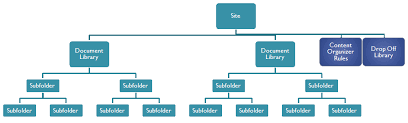
Content hierarchy refers to the organization of pages according to their importance and relevance.
A strong hierarchy typically includes:
Homepage
The most authoritative page on the website.
Category Pages
Broad topic sections.
Pillar Content
Comprehensive guides targeting major keywords.
Supporting Content
Detailed articles covering specific subtopics.
Internal links should reinforce this structure by connecting related content logically.
A well-organized content hierarchy improves both SEO performance and user navigation.
Common Internal Linking Mistakes to Avoid
Even experienced website owners make internal linking mistakes.
Orphan Pages
Orphan pages have no internal links pointing to them.
As a result, search engines may struggle to discover these pages.
Always ensure every page receives at least one internal link.
Using the Same Anchor Text Everywhere
Repeatedly using identical anchor text can appear unnatural.
Instead, vary anchor text while maintaining relevance.
Examples:
- SEO audit checklist
- Website SEO audit guide
- Complete SEO audit process
Linking Irrelevant Pages
Every internal link should provide value.
Avoid linking pages simply to increase link counts.
Irrelevant links create confusion and reduce user satisfaction.
Ignoring Mobile Navigation
Mobile users make up a large percentage of website traffic.
Ensure internal links remain easy to access and click on smaller screens.
Broken Internal Links
Broken links negatively affect user experience and crawlability.
Regularly check for:
- Deleted pages
- Redirect chains
- Incorrect URLs
Fixing these issues maintains a healthy website structure.
Internal Linking Strategy for Maximum SEO Impact
To maximize results, follow this simple process:
Step 1: Identify Your Most Important Pages
Determine which pages drive:
- Traffic
- Leads
- Sales
- Conversions
These pages should receive the most internal links.
Step 2: Map Content Relationships
Group related content into clusters and categories.
Step 3: Add Contextual Links
Insert links naturally within content where they provide value.
Step 4: Audit Existing Links
Review older content regularly for new linking opportunities.
Step 5: Monitor Performance
Track:
- Organic traffic
- Page rankings
- User engagement
- Crawl statistics
Adjust your strategy based on performance data.
How Internal Links Improve Page Authority
Page authority represents a page’s ability to rank in search results.
Internal links help transfer authority from stronger pages to newer or less visible pages.
For example:
If a high-traffic blog post receives substantial backlinks, linking from that page to a newer article can pass valuable authority.
This process helps:
- Improve rankings
- Accelerate indexing
- Strengthen topical relevance
- Increase organic traffic
A strategic internal linking system ensures authority flows throughout your website efficiently.
Conclusion
Implementing Internal Linking Best Practices is one of the most effective ways to improve SEO without creating new content or building additional backlinks. A thoughtful internal linking strategy enhances website structure, supports content hierarchy, distributes page authority, and improves user experience.
By using descriptive anchor text, creating topic clusters, linking to important pages, and maintaining a logical website architecture, you can help search engines better understand your content while guiding visitors through your site more effectively.
Start auditing your internal links today, and you’ll create a stronger foundation for long-term SEO growth and better search visibility.