
Now Reading: SEO Basics for Beginners
- 01
SEO Basics for Beginners


SEO Basics for Beginners is the foundation of building a successful website and improving online visibility. Whether you are starting a blog, business website, or online store, learning search engine optimization can help you attract more visitors from Google naturally. With the right SEO optimization techniques, beginners can improve rankings, increase organic traffic, and grow their online presence effectively.
Search engine optimization has become one of the most important digital marketing skills today. It helps websites appear in search engine results when users search for relevant topics online. By understanding keyword research, on-page SEO, and off-page SEO, beginners can create content that performs better in search results.
In this guide, you will learn how SEO works, why it matters, and the best beginner-friendly techniques to improve your website rankings.
What Is SEO?
SEO stands for Search Engine Optimization. It is the process of improving a website so it appears higher in search engine results pages.
Search engines like Google use algorithms to analyze websites and decide which pages should rank for specific searches. SEO helps your content match those ranking factors.

The main goal of SEO is to:
- Increase organic traffic
- Improve website visibility
- Reach the right audience
- Build online authority
- Boost conversions and sales
For beginners, SEO may seem technical. However, once you understand the basics, it becomes easier to apply effective strategies.
Why SEO Is Important for Beginners
Understanding SEO Basics for Beginners helps new website owners improve visibility and attract organic traffic from Google.
Here are some important benefits of SEO:
Higher Google Rankings
Good SEO improves your chances of appearing on the first page of Google. Most users never visit the second page of search results.
More Organic Traffic
SEO helps attract free traffic from search engines instead of relying only on paid advertisements.
Better User Experience
Modern SEO focuses on improving website speed, mobile responsiveness, and readability, which benefits users.
Long-Term Results
Unlike paid marketing, SEO can continue generating traffic for months or even years.
Understanding Keyword Research
Keyword research is one of the most important parts of SEO Basics for Beginners. Keywords are the words people type into search engines.
For example, if someone searches “best SEO tips for websites,” Google looks for pages related to that phrase.
How to Find Good Keywords
Beginners can start with free tools like:
- Google Keyword Planner
- Google Trends
- Ubersuggest
- AnswerThePublic
When doing keyword research, focus on:
- Search volume
- Competition level
- User intent
- Long-tail keywords
Use Long-Tail Keywords
Long-tail keywords are longer search phrases with lower competition. They are easier to rank for and often bring targeted visitors.
Example:
- Short keyword: SEO
- Long-tail keyword: SEO basics for beginners
On-page SEO explained
One of the most important parts of SEO Basics for Beginners is learning how to optimize titles, headings, and content properly.
Example:
“SEO Basics for Beginners: Complete Starter Guide”
Use Headings Properly
Use H1 for the main title and H2 or H3 for subheadings. Proper structure improves readability and SEO.
Write High-Quality Content
Google prefers useful and informative content that answers user questions clearly.
Your content should:
- Be easy to read
- Include relevant keywords naturally
- Provide real value
- Avoid duplicate content
Improve Image SEO
Images also affect rankings. Always:
- Compress image sizes
- Add descriptive alt text
- Use proper file names
Internal Linking
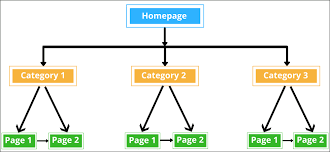
Link to related pages within your website. Internal links help search engines crawl your content and keep users engaged longer.
Off-Page SEO Basics
Off-page SEO includes activities outside your website that improve authority and trustworthiness.
Backlink Building
Backlinks are links from other websites to your content. Google considers backlinks a ranking factor.
High-quality backlinks can improve domain authority and search visibility.
Social Media Sharing
Sharing content on social media platforms can increase exposure and website traffic.
Guest Posting
Writing articles for other websites helps you build authority and gain valuable backlinks.
Online Reputation
Positive reviews, mentions, and brand signals can support better rankings.
Technical SEO for Beginners
Technical SEO focuses on improving website performance and crawlability.
Although technical SEO may sound difficult, beginners can start with simple improvements.
Make Your Website Mobile Friendly
Most users browse websites on smartphones. Google also uses mobile-first indexing.
Improve Website Speed
Slow websites increase bounce rates. To improve speed:
- Compress images
- Use fast hosting
- Minimize unnecessary plugins
Use HTTPS Security
Secure websites using HTTPS are trusted more by users and search engines.
Create an XML Sitemap
A sitemap helps search engines understand your website structure and index pages faster.
Google Ranking Tips for Beginners
If you want better rankings, follow these practical Google ranking tips.
Publish Consistent Content
Regularly updating your website shows Google that your content is active and relevant.
Focus on Search Intent
Understand what users want before creating content. Some users want information, while others want to buy products or services.
Optimize for Featured Snippets
Answer questions clearly using short paragraphs, bullet points, and headings.
Reduce Bounce Rate
Engaging content and fast-loading pages encourage users to stay longer on your site.
Use Semantic SEO
Semantic SEO means including related terms naturally throughout the article.
For example, instead of repeating “SEO basics for beginners” too many times, also use:
- Search engine optimization
- SEO strategy
- Website ranking
- Organic search traffic
Common SEO Mistakes Beginners Should Avoid
Many beginners make SEO mistakes that hurt rankings.
Keyword Stuffing
Adding the same keyword repeatedly makes content unnatural and difficult to read.
Ignoring Mobile Optimization
A poor mobile experience can reduce rankings significantly.
Using Duplicate Content
Copied content may lead to lower visibility in search results.
Forgetting Meta Descriptions
A strong meta description improves click-through rates from Google searches.
Poor Content Quality
Thin or low-value content rarely ranks well.
Best SEO Tools for Beginners
Using SEO tools can simplify optimization and improve results.

Google Search Console
Helps monitor website performance and indexing issues.
Google Analytics
Tracks visitor behavior and traffic sources.
Yoast SEO
A beginner-friendly WordPress plugin for SEO optimization.
Ahrefs and SEMrush
Useful for keyword research, backlinks, and competitor analysis.
The Future of SEO
SEO continues evolving as search engines become smarter. Artificial intelligence, voice search, and user experience now play a major role in rankings.
Beginners should focus on:
- Helpful content
- User experience
- Fast websites
- Natural keyword usage
- Trustworthy information
Google rewards websites that provide genuine value to users.
Conclusion
Learning SEO Basics for Beginners is the first step toward building a successful online presence. SEO may seem complicated at first, but beginners can achieve excellent results by understanding the fundamentals.
Start with proper keyword research, improve your on-page SEO, and gradually build strong off-page SEO strategies. Focus on creating valuable content and providing a positive user experience.
Over time, consistent SEO optimization can help your website gain higher rankings, attract organic traffic, and grow your online authority naturally.























Pingback: AFFILIATE MARKETING GUIDE 2026: Step-by-Step for Beginners - Choice District
Pingback: Best Online Business Ideas for Beginners in 2026