Now Reading: How to Write SEO Friendly Content That Ranks on Google
- 01
How to Write SEO Friendly Content That Ranks on Google


Creating content that ranks well on search engines requires more than simply adding keywords to a page. Modern SEO focuses on delivering value, matching user intent, and providing an excellent reading experience. If you want your articles to attract organic traffic and achieve better rankings, learning how to write SEO friendly content is essential.
Whether you’re a blogger, business owner, marketer, or beginner writer, understanding SEO copywriting can help you create content that appeals to both search engines and readers. In this guide, you’ll learn practical strategies for content optimization, search intent writing, and creating ranking content that performs well in search results.
What Is SEO Friendly Content?
SEO friendly content is content that is created to rank in search engines while providing useful information to readers. It follows best practices for keyword usage, structure, readability, and user experience.
Effective SEO content helps search engines understand the topic of your page while ensuring visitors find the answers they need.
Key Characteristics of SEO Friendly Content
- Targets relevant keywords naturally
- Matches user search intent
- Provides valuable and accurate information
- Uses clear headings and structure
- Includes optimized metadata
- Enhances user engagement
- Encourages longer page visits
- Supports internal and external linking
When these elements work together, your content becomes more likely to rank and attract qualified traffic.
Why SEO Friendly Content Matters
Search engines aim to provide users with the most relevant and useful information. If your content doesn’t meet those expectations, it will struggle to rank.
SEO-friendly articles can help:
- Increase organic traffic
- Improve search visibility
- Generate leads and sales
- Build authority in your niche
- Enhance user experience
- Increase website engagement
By combining quality writing with SEO best practices, you create content that benefits both users and search engines.
Understand Search Intent Before Writing
One of the most important aspects of search intent writing is understanding why users are searching for a particular keyword.

Search intent generally falls into four categories.
Informational Intent
Users want information or answers.
Examples:
- How to write SEO friendly content
- What is SEO copywriting
Navigational Intent
Users want to visit a specific website or page.
Examples:
- Login pages
- Brand websites
Commercial Intent
Users are researching products or services before making a decision.
Examples:
- Best SEO tools
- Top content writing software
Transactional Intent
Users are ready to take action or make a purchase.
Examples:
- Buy SEO software
- Hire content writers
Understanding intent helps you create content that aligns with what users expect to find.
Conduct Proper Keyword Research
Keyword research is the foundation of successful SEO copywriting.
Before writing, identify keywords your audience actively searches for.
Types of Keywords to Target
Primary Keywords
Your main topic keyword.
Example:
- How to write SEO friendly content
Secondary Keywords
Related keywords that support your topic.
Examples:
- SEO copywriting
- Content optimization
- Search intent writing
- Blog writing tips
- Ranking content
Long-Tail Keywords
Specific phrases with lower competition.
Examples:
- How to optimize blog content for SEO
- SEO writing tips for beginners
Using a mix of these keywords creates a more comprehensive and relevant article.
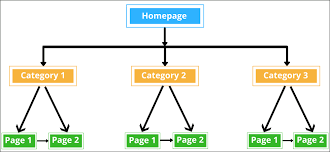
Create an SEO-Friendly Content Structure
Content organization improves both readability and SEO performance.
Use One H1 Heading
Your main title should include the focus keyword naturally.
Example:
How to Write SEO Friendly Content That Ranks on Google
Use H2 and H3 Headings
Subheadings help search engines understand your content structure.
Benefits include:
- Improved readability
- Better keyword relevance
- Easier content scanning
- Enhanced user experience
A clear structure keeps readers engaged throughout the article.
Write Compelling Introductions
The introduction determines whether visitors continue reading.
A strong introduction should:
- Address the reader’s problem
- Introduce the topic clearly
- Explain what they will learn
- Include the focus keyword naturally
Avoid long paragraphs and unnecessary filler. Get straight to the point while creating interest.
Optimize Keyword Placement Naturally
Keyword placement remains important, but overusing keywords can harm readability.
Best Places to Use Keywords
Include your target keyword in:
- Title
- Introduction
- H2 headings
- Meta title
- Meta description
- URL
- Conclusion
Avoid Keyword Stuffing
Instead of repeating the same phrase excessively, use related terms and semantic keywords.
Examples include:
- SEO writing
- Search engine optimization
- Content marketing
- Organic search traffic
- Content strategy
- User-focused content
This improves topic relevance without making content sound unnatural.
Focus on High-Quality Content
Search engines prioritize content that demonstrates expertise, relevance, and usefulness.
Provide Real Value
Ask yourself:
- Does this answer the user’s question?
- Is the information accurate?
- Is it better than competing content?
The best ranking content solves problems and delivers actionable insights.
Use Examples and Practical Tips
Readers appreciate content they can apply immediately.
For example:
Instead of saying “optimize your headings,” explain how to structure headings for better SEO performance.
Practical guidance increases engagement and trust.
Improve Readability for Better SEO
Readability directly affects user experience and engagement metrics.
Use Short Paragraphs
Large blocks of text can overwhelm readers.
Keep paragraphs between two and four sentences whenever possible.
Use Bullet Points
Bullet points help readers quickly find important information.
Benefits include:
- Easier scanning
- Better comprehension
- Increased engagement
Add Transition Words
Transition words improve content flow.
Examples:
- Additionally
- Furthermore
- However
- Therefore
- Meanwhile
- Consequently
These words create smoother reading experiences and improve clarity.
Optimize Images and Media
Visual content enhances user engagement and supports SEO.
Best Practices
- Use descriptive file names
- Add keyword-rich alt text
- Compress images for faster loading
- Choose relevant visuals
Optimized images can also generate traffic from image search results.
Use Internal and External Links
Links help search engines understand content relationships and improve navigation.
Internal Links
Link to related pages within your website.
Benefits:
- Better crawling
- Increased page authority
- Longer user sessions
External Links
Link to reputable sources when appropriate.
Benefits:
- Improved credibility
- Enhanced user trust
- Better content quality
Use links naturally and only when they add value.
Optimize for Featured Snippets
Featured snippets appear at the top of search results and can significantly increase visibility.
How to Improve Your Chances
- Answer questions directly
- Use numbered lists
- Create concise definitions
- Structure content clearly
For example:
What is SEO friendly content?
SEO friendly content is content optimized for search engines while providing valuable information and an excellent user experience.
This format makes it easier for Google to extract snippet-worthy answers.
Monitor and Update Content Regularly
SEO is not a one-time process.
Search trends, algorithms, and competitor content change constantly.
Content Update Checklist
- Refresh statistics
- Improve outdated information
- Add new sections
- Update keywords
- Fix broken links
Regular updates help maintain rankings and improve long-term performance.
Common SEO Writing Mistakes to Avoid
Many writers unknowingly reduce their ranking potential.
Avoid these mistakes:
- Keyword stuffing
- Ignoring search intent
- Writing for search engines instead of people
- Using poor heading structures
- Publishing thin content
- Neglecting internal links
- Forgetting metadata optimization
Focusing on user value first often leads to better SEO outcomes.
Conclusion
Learning how to write SEO friendly content is one of the most valuable skills for improving online visibility and attracting organic traffic. Successful SEO copywriting combines keyword research, search intent writing, content optimization, and user-focused formatting.
By understanding your audience, organizing content effectively, using keywords naturally, and delivering genuine value, you can create ranking content that performs well in search results. Remember that SEO is an ongoing process. Consistently updating and improving your content will help maintain strong rankings and long-term traffic growth.
Start applying these blog writing tips today, and you’ll be well on your way to creating content that both readers and search engines love.