Now Reading: Powerful SEO Tips for Small Businesses
- 01
Powerful SEO Tips for Small Businesses


Running a small business today means competing online as well as offline. That is why SEO Tips for Small Businesses have become essential for attracting customers, increasing visibility, and growing revenue. Whether you own a local store, provide services, or manage an online business, effective SEO can help your website appear higher in search results and bring targeted visitors to your business.
The good news is that SEO does not require a massive budget. By following proven SEO strategies and focusing on the right optimization techniques, small businesses can compete with larger brands and achieve long-term success. In this guide, you will learn practical and beginner-friendly methods to improve your online presence and drive business growth online.
Why SEO Matters for Small Businesses
Search Engine Optimization (SEO) helps search engines understand your website and rank it for relevant searches. When potential customers search for products or services related to your business, SEO helps your website appear in front of them.
Benefits of SEO include:
- Increased organic traffic
- Better search engine visibility
- Higher-quality leads
- Improved customer trust
- Long-term marketing results
- Cost-effective promotion
Unlike paid advertising, SEO continues delivering results over time, making it an important part of any small business marketing plan.
Understanding the Basics of SEO
Before implementing advanced techniques, it is important to understand the foundation of SEO.
SEO generally consists of three areas:
1. On-Page SEO
This includes optimizing content, headings, keywords, meta tags, and images on your website.
2. Off-Page SEO
Off-page SEO focuses on backlinks, brand mentions, and external signals that improve website authority.
3. Technical SEO
Technical SEO ensures your website loads quickly, works properly on mobile devices, and can be easily crawled by search engines.
A balanced approach across all three areas delivers the best results.
SEO Tips for Small Businesses to Improve Rankings
Perform Proper Keyword Research
Keyword research is the foundation of every successful SEO campaign.
Start by identifying the terms your customers use when searching for your products or services. Focus on:
- Long-tail keywords
- Local search terms
- Customer questions
- Industry-specific phrases
For example, instead of targeting “SEO,” a local business might target “SEO services for small businesses” or “local SEO guide for restaurants.”
Using relevant keywords naturally throughout your content helps search engines understand your website.
Optimize Title Tags and Meta Descriptions
Your title tag and meta description are often the first things users see in search results.
Best practices include:
- Include your primary keyword
- Keep titles concise and engaging
- Write compelling descriptions
- Encourage users to click
Well-optimized metadata can improve both rankings and click-through rates.
Create High-Quality Content
Content remains one of the most important ranking factors.
Focus on creating content that:
- Solves customer problems
- Answers common questions
- Provides useful information
- Demonstrates expertise
Blog posts, guides, tutorials, and FAQs can all help increase website traffic while building trust with potential customers.
Additionally, update old content regularly to keep it accurate and relevant.
Follow a Local SEO Guide for Better Visibility
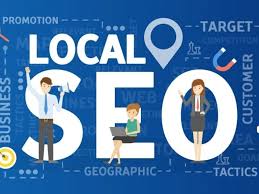
Local SEO is especially important for businesses that serve specific geographic areas.
Optimize Your Google Business Profile
One of the most effective local SEO strategies is optimizing your Google Business Profile.
Ensure that your profile includes:
- Accurate business name
- Address and phone number
- Website URL
- Business hours
- Customer reviews
- Relevant categories
A complete profile improves your chances of appearing in local search results and Google Maps.
Maintain Consistent Business Information
Your business information should remain consistent across all online directories.
This includes:
- Business name
- Address
- Phone number
Consistency helps search engines trust your business information and strengthens local search optimization efforts.
Encourage Customer Reviews
Positive reviews improve credibility and local rankings.
Ask satisfied customers to leave reviews and always respond professionally to feedback.
Customer reviews not only support SEO but also influence purchasing decisions.
Website Ranking Tips Every Small Business Should Use
Improve Website Speed
Website speed affects both user experience and search rankings.
To improve loading times:
- Compress images
- Use fast hosting
- Minimize unnecessary plugins
- Enable browser caching
A faster website keeps visitors engaged and reduces bounce rates.
Make Your Website Mobile Friendly
Most users browse websites on mobile devices.
Search engines prioritize mobile-friendly websites, making responsive design essential.
Ensure your website:
- Adapts to different screen sizes
- Loads quickly on mobile
- Provides easy navigation
- Uses readable text
A mobile-friendly site improves both rankings and user satisfaction.
Use Internal Linking
Internal links connect pages within your website.
Benefits include:
- Better navigation
- Improved crawlability
- Increased page authority distribution
- Longer visitor sessions
Link related articles and service pages whenever appropriate.
Effective SEO Strategies for Long-Term Growth
Build Quality Backlinks
Backlinks remain a strong ranking factor.
Focus on earning links through:
- Guest blogging
- Industry partnerships
- Valuable content
- Local business directories
Avoid buying backlinks or participating in spammy link schemes, as these can harm your rankings.
Optimize Images
Images can contribute to SEO when optimized correctly.
Best practices include:
- Using descriptive filenames
- Adding alt text
- Compressing image sizes
- Choosing relevant visuals
Image optimization improves accessibility and can generate additional traffic from image searches.
Target User Search Intent
Search intent refers to the reason behind a user’s query.
Before creating content, determine whether users want:
- Information
- Products
- Services
- Comparisons
- Solutions
Content that matches user intent typically performs better in search results.
Small Business Marketing and SEO Working Together
SEO works best when combined with other marketing efforts.
Consider integrating SEO with:
Social Media Marketing
While social signals are not direct ranking factors, social media can:
- Increase content exposure
- Generate website traffic
- Build brand awareness
- Encourage sharing
Email Marketing
Email campaigns help drive repeat visitors to your website and promote valuable content.
Content Marketing
Content marketing supports SEO by attracting backlinks, engaging audiences, and improving keyword visibility.
Combining these channels creates a stronger digital marketing strategy.
Common SEO Mistakes Small Businesses Should Avoid
Many businesses unknowingly damage their SEO performance.
Avoid these common mistakes:
- Keyword stuffing
- Duplicate content
- Ignoring mobile optimization
- Slow website speed
- Broken links
- Poor-quality backlinks
- Inconsistent business information
- Neglecting local SEO
Regular website audits can help identify and fix these issues before they impact rankings.
Measuring SEO Success
Tracking performance is essential for continuous improvement.
Monitor key metrics such as:
- Organic traffic
- Keyword rankings
- Conversion rates
- Bounce rate
- Click-through rate
- Backlink growth
Tools like Google Analytics and Google Search Console provide valuable insights into your SEO performance.
Use this data to refine your strategy and focus on what works best.
Conclusion
Implementing the right SEO Tips for Small Businesses can significantly improve online visibility, attract more customers, and support long-term success. By focusing on keyword research, content creation, local SEO, website performance, and quality backlinks, small businesses can compete effectively in search results.
Most importantly, SEO is not a one-time task. Consistent optimization, regular content updates, and ongoing monitoring are key to achieving sustainable rankings and continuous business growth online. Start with these proven SEO strategies today, and you will build a stronger digital presence that delivers lasting results for your business.